
How to Plan a Stress-Free Wedding Day from Start to Finish
Congratulations on your engagement!
Whether you’ve just said “yes” or you’ve been dreaming about your wedding day for years, this is one of the most exciting seasons of your life. Planning a wedding is filled with unforgettable moments, and one of the best ways to ensure you truly enjoy every second is by creating a well-planned wedding timeline.
A thoughtfully planned timeline keeps your day flowing naturally, reduces unnecessary stress, and allows enough time to enjoy the people and moments that matter most. From getting ready with your bridal party to your first dance beneath the stars, every part of your day deserves to be experienced—not rushed.
As professional wedding photographers and videographers who have captured weddings across Cape Town, the Western Cape, and throughout South Africa, we’ve seen first-hand how the right timeline transforms the entire wedding experience.
When Should You Start Planning Your Wedding Timeline?
One of the most common questions couples ask is, “When should we start planning our wedding day timeline?” The answer is earlier than most people expect.
While your final timeline won’t be confirmed until the weeks leading up to your wedding, it’s worth thinking about the flow of your day as soon as you’ve secured your venue and key suppliers. Your photographer, videographer, planner, celebrant, and venue coordinator all play a role in shaping a timeline that feels relaxed, enjoyable, and realistic.
Here’s a general guide:
- 12–18 months before: Book your venue and set your ceremony time.
- 9–12 months before: Secure your photographer and videographer. They can provide valuable advice on how much time you’ll need for portraits and other key moments.
- 6 months before: Start discussing the overall flow of the day with your suppliers.
- 3 months before: Draft a detailed timeline, including travel time and reception formalities.
- 1 month before: Finalise your timeline and share it with everyone involved.
- 1 week before: Confirm any last-minute adjustments and ensure your bridal party and immediate family know where they need to be.
The earlier you start planning, the easier it is to create a timeline that allows you to enjoy every moment without feeling rushed.
Why Your Wedding Timeline Matters
Your wedding timeline is much more than a schedule—it’s the foundation of your entire day.
A realistic timeline allows you to:
- Enjoy your wedding without constantly watching the clock.
- Give your photographer and videographer enough time to capture beautiful, natural moments.
- Keep guests informed and engaged throughout the celebration.
- Minimise unnecessary stress when unexpected delays happen.
- Make the most of South Africa’s incredible natural light.
The goal isn’t to plan every minute perfectly—it’s to create enough breathing room so your day unfolds naturally.
Build a Team You Can Trust
One of the biggest pieces of advice we give every couple is simple:
You don’t have to do everything yourself.
Surround yourself with experienced wedding professionals who genuinely care about your day. Trust your planner, photographer, videographer, florist, coordinator, and venue staff to handle the details while you focus on what truly matters—celebrating your marriage.
A professional photography and videography team does far more than simply capture images. We help guide the day, keep everything running smoothly, suggest the best locations for portraits, and adjust the timeline whenever needed.
Our goal is for you to feel completely present throughout your wedding day.
Create a Wedding That Reflects Your Story
No two South African weddings are ever the same—and that’s exactly how it should be.
Whether you’re exchanging vows at a Stellenbosch wine estate, celebrating on a Cape Town beach, getting married beneath the Drakensberg mountains, or hosting an intimate Karoo wedding, your timeline should reflect your personalities rather than following someone else’s checklist.
Many couples choose to include:
- Bridal preparations
- Groom preparations
- A first look or private reveal
- Wedding ceremony
- Family photographs
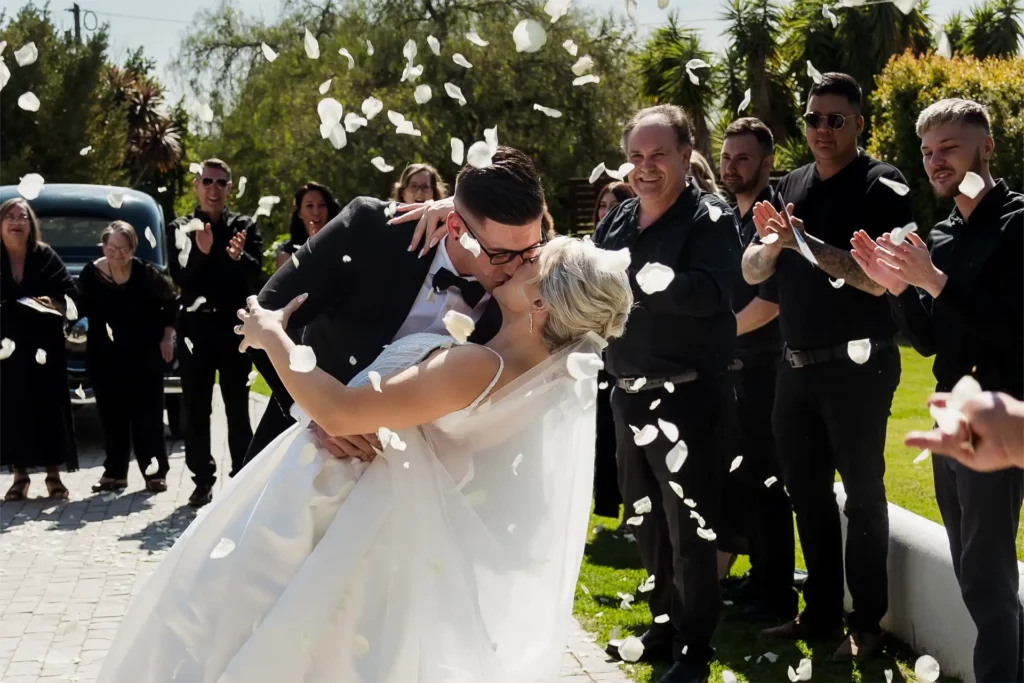
- Confetti celebration
- Cocktail hour and canapés
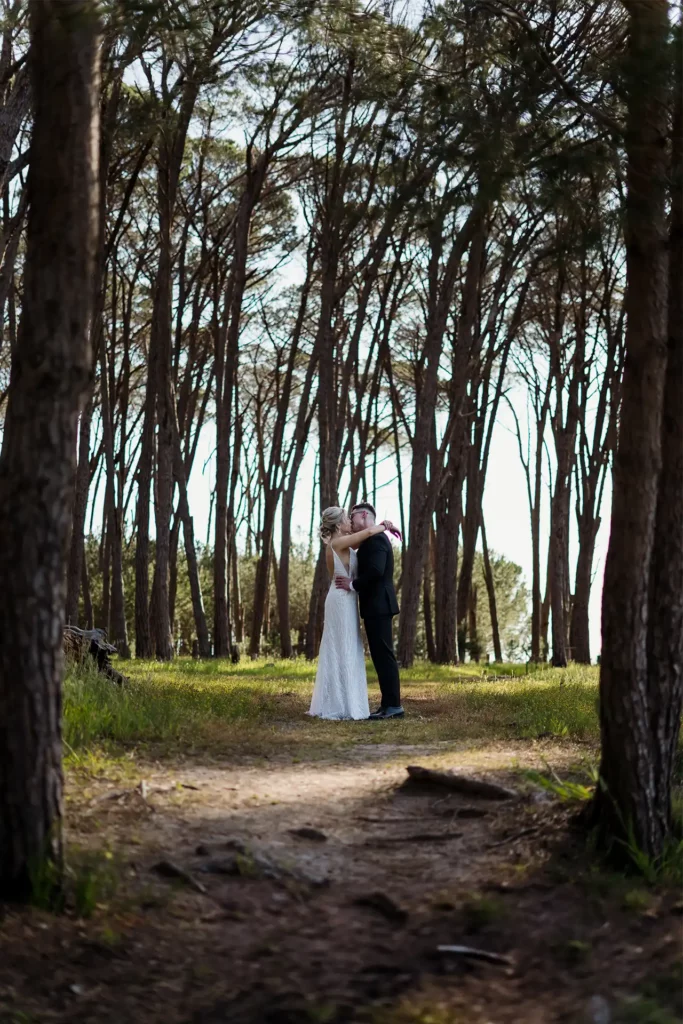
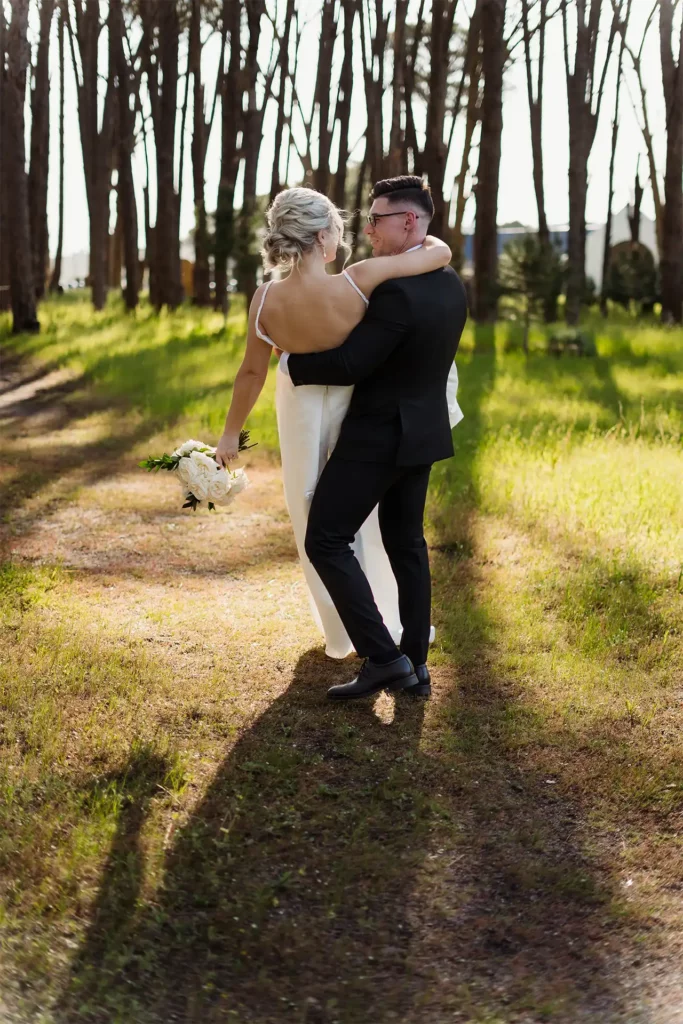
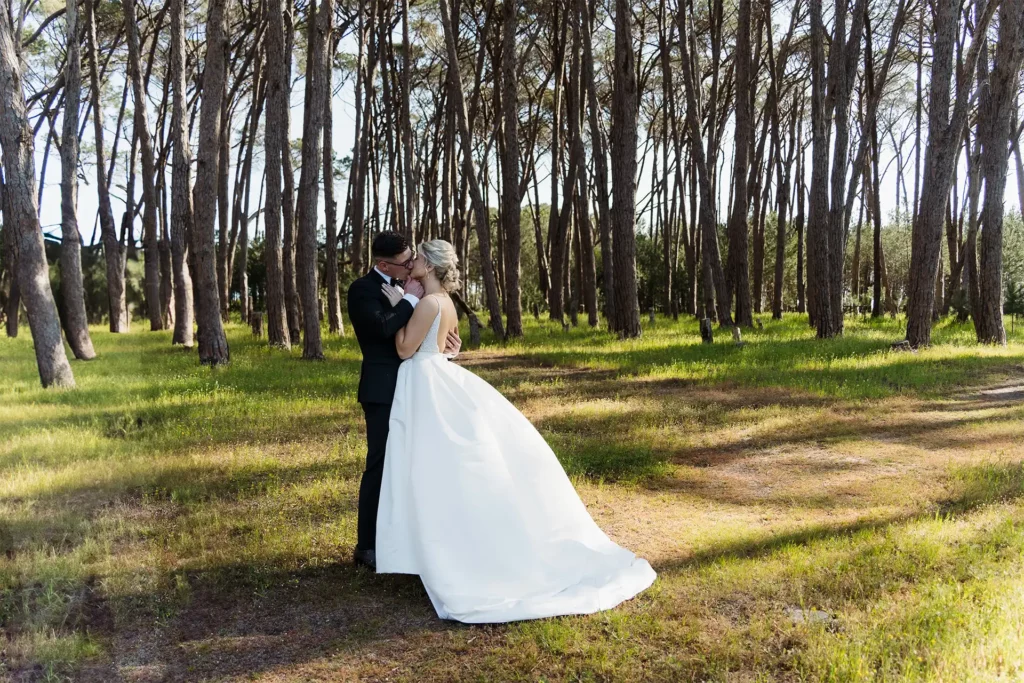
- Golden hour couple portraits
- Reception entrance
- Speeches
- Dinner
- Cake cutting
- First dance
- Open dance floor
Think of these moments as building blocks. Include the traditions you love, skip the ones that don’t suit you, and create a celebration that’s authentically yours.
How Much Time Should You Allow for Each Part of the Day?
Every wedding is unique, but understanding how long each part of the day typically takes will help you build a realistic schedule.
Bridal Preparations
Your morning is about more than simply getting dressed—it’s the beginning of your wedding story. These quiet moments often become some of the most emotional photographs of the day.
We recommend allowing 90 to 120 minutes for bridal preparations after hair and makeup are complete. This gives your photographer time to capture details such as your dress, shoes, jewellery, bouquet, stationery, and meaningful heirlooms, as well as natural moments with your bridesmaids and family.
One of our biggest recommendations is to ask your hair and makeup artists to finish slightly before your photographer arrives. This allows us to focus on genuine interactions rather than documenting the final few minutes of makeup.
Groom Preparations
Groom preparations are generally more relaxed and require around 45 to 60 minutes.
This is the perfect opportunity to capture candid moments between the groom and his groomsmen, along with details such as cufflinks, watches, ties, buttonholes, and personalised gifts. A celebratory toast or a quiet moment before the ceremony often makes for meaningful photographs too.
Ceremony
Most ceremonies last between 30 and 60 minutes, depending on your traditions and personal preferences.
Your ceremony includes many of the most significant moments of the day—from walking down the aisle to exchanging vows and rings. Try not to rush this part of your wedding. Take a moment to pause, look at each other, and soak it all in.
Family Photographs
Family portraits are some of the most treasured photographs you’ll receive, but they can also take longer than expected without proper planning.
Prepare a list of the family groupings you’d like in advance and nominate a trusted family member to help gather people. This simple step can save valuable time and keep everything running smoothly.
Allow around 20 to 30 minutes, depending on the size of your family.
Couple Portraits
Couple portraits are often the photographs you’ll display in your home for years to come, so it’s worth giving them the time they deserve.
Whenever possible, we recommend scheduling portraits during golden hour—the hour before sunset—when the light is soft, warm, and incredibly flattering.
Around 45 to 60 minutes is usually ideal. Many couples also choose to split this time into two shorter sessions: one immediately after the ceremony and another at sunset.
Reception
Your reception is where the formalities give way to celebration.
Typical reception events include:
- Grand entrance
- Welcome speeches
- Dinner
- Toasts
- Cake cutting
- First dance
- Parent dances
- Open dance floor
One of the most common causes of delays is speeches running longer than planned, so allow a little flexibility in your schedule.
Planning Around South African Conditions
One of the greatest advantages of getting married in South Africa is the incredible variety of landscapes and venues available.
However, every location comes with unique planning considerations.
Golden Hour
The most beautiful wedding portraits are usually taken during golden hour—the hour before sunset.
This soft, warm light creates flattering portraits and romantic landscapes that simply cannot be recreated later in the evening.
When building your timeline, work backwards from sunset rather than guessing when portraits should happen.
Travel Between Venues
If your ceremony and reception are at different venues, allow generous travel time.
Cape Town traffic, mountain passes, roadworks, and unexpected delays are all common. It’s always better to arrive early than feel rushed.
A Sample South African Wedding Timeline
Every wedding is unique, but this example provides a realistic guide for many South African celebrations.
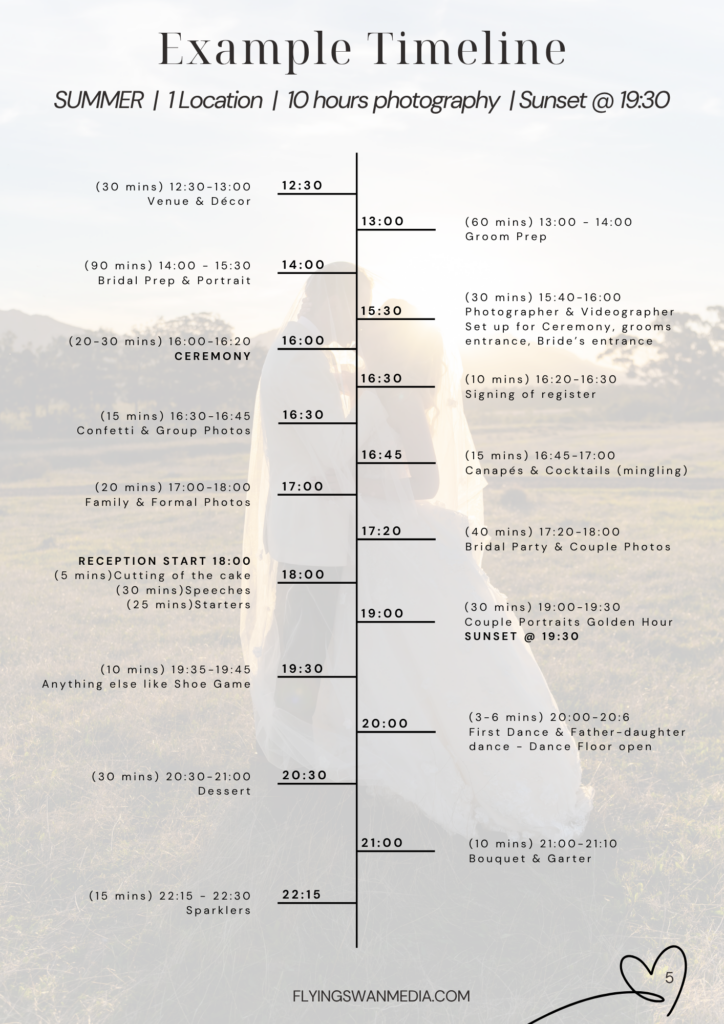
Remember that every wedding differs depending on guest numbers, travel distances, venue layout, cultural traditions, and the season.
Summer vs Winter Weddings in South Africa
South Africa is fortunate to offer beautiful wedding opportunities throughout the year, but each season brings its own considerations.
Summer Weddings
Long daylight hours allow for later ceremonies and extended outdoor celebrations. However, summer can also bring high temperatures, strong winds in coastal areas, and the occasional afternoon thunderstorm.
If you’re planning a summer wedding, consider providing water for guests, scheduling outdoor portraits closer to sunset, and having a weather contingency plan in place.
Winter Weddings
Winter weddings often surprise couples with their beautiful golden light and cosy atmosphere. Earlier sunsets mean you’ll need to schedule your ceremony slightly earlier in the day to make the most of natural light.
With the right planning, winter weddings can be every bit as spectacular as those held in summer.
Allow More Time Than You Think You’ll Need
One of the biggest mistakes couples make is underestimating how long things take.
Common Wedding Timeline Mistakes to Avoid
Even the most carefully planned weddings can encounter small delays, but avoiding these common mistakes will help keep your day running smoothly.
Trying to fit too much into one day
You don’t need to include every tradition. Focus on the moments that are meaningful to you.
Not allowing enough travel time
If you’re travelling between venues, always build in extra time for traffic, roadworks, or unexpected delays.
Scheduling everything back-to-back
Small buffer periods throughout the day allow everyone to relax and prevent minor delays from affecting the rest of your schedule.
Taking portraits in harsh midday light
Whenever possible, plan your couple portraits around golden hour for the most flattering natural light.
Creating an endless family photo list
Keep formal family portraits concise and spend the rest of your time celebrating with your guests.
Remember: Timelines Are Flexible
Even the best-planned weddings experience small delays.
Perhaps guests arrive late.
Maybe the ceremony starts fifteen minutes behind schedule.
Perhaps the weather changes unexpectedly.
That’s completely normal.
An experienced photographer, videographer, and wedding coordinator will adapt throughout the day while keeping everything relaxed and enjoyable.
The best wedding photographs happen when couples are present in the moment—not worrying about whether they’re five minutes behind schedule.
Choose Suppliers You Can Rely On
When choosing your wedding vendors, look beyond beautiful photographs and attractive pricing.
Read reviews carefully.
Choose professionals who communicate clearly, remain calm under pressure, and have extensive wedding experience.
The right team will guide you through your planning journey, offer advice when needed, and help create a wedding day that feels effortless.
Our Top Wedding Timeline Tips
After photographing weddings across Stellenbosch and Cape Winelands and the Western Cape, we’ve learned that the simplest pieces of advice often make the biggest difference.
- Gather your dress, shoes, rings, jewellery, invitations, and other details in one place before your photographer arrives.
- Keep your getting-ready space as tidy as possible to create clean, elegant photographs.
- Eat something before your ceremony, even if you’re feeling nervous.
- Stay hydrated throughout the day.
- Allow more time than you think you’ll need.
- Most importantly, trust your suppliers. You’ve chosen experienced professionals for a reason, so let them guide you while you focus on enjoying every moment.
Final Thought
Your wedding day marks the beginning of your marriage—a celebration of your love, your family, and your future together.
A carefully planned timeline gives you the freedom to slow down, be fully present, and create memories you’ll treasure for a lifetime.
At Flying Swan Media, we’ve had the privilege of documenting love stories throughout the Cape Winelands, the Western Cape, and across South Africa. We combine timeless photography with cinematic wedding films while helping our couples enjoy a calm, organised, and genuinely joyful wedding experience.
If you’re planning your wedding and would love experienced guidance, we’d be honoured to be part of your journey.
Frequently Asked Questions
Still have questions? Planning a wedding comes with plenty of moving parts, and creating the perfect timeline is one of the most important. Below are answers to some of the questions we’re most often asked by couples planning weddings across Cape Town, the Western Cape, and South Africa.
Most weddings in South Africa last between 8 and 12 hours, depending on your ceremony time, travel between venues, and reception plans. If you’re having both photography and videography, many couples choose full-day coverage to ensure every important moment is captured—from getting ready through to the celebrations on the dance floor.
Your ceremony time should be planned around the season, your venue, and when the sun sets. For outdoor weddings, we generally recommend allowing enough time for family photographs and couple portraits before sunset.
Your photographer and videographer can help you determine the ideal ceremony start time based on the time of year and your venue’s location.
The most flattering natural light is during golden hour, which is the hour before sunset. The soft, warm light creates timeless, romantic photographs with beautiful skin tones and stunning landscapes.
If your schedule allows, we recommend setting aside 45 to 60 minutes during golden hour for your couple portraits.
We usually recommend allowing 60 to 90 minutes for bridal preparations after hair and makeup have been completed. This gives your photographer enough time to capture your dress, accessories, stationery, candid moments with your bridal party, and those emotional moments with your parents or loved ones.
Family portraits generally take 20 to 30 minutes, depending on the number of group combinations.
To keep everything running smoothly, prepare a list of family groupings before your wedding day and ask a trusted family member to help gather everyone when it’s time for photographs.
A first look is entirely a personal choice.
Some couples love sharing a quiet, private moment together before the ceremony, while others prefer seeing each other for the first time as they walk down the aisle.
A first look can also make your timeline more flexible by allowing some portraits to be taken before the ceremony, giving you more time to enjoy your cocktail hour with guests.
For the best experience, we recommend 45 to 60 minutes for your couple portraits.
Many couples split this into two sessions—a short portrait session immediately after the ceremony, followed by another during golden hour. This allows you to spend more time with your guests while still enjoying beautiful sunset photographs.
Small delays are completely normal and happen at almost every wedding.
Whether it’s unexpected traffic, speeches running a little longer, or guests taking extra time to congratulate you after the ceremony, experienced wedding professionals know how to adapt without adding unnecessary stress.
Building buffer time into your timeline helps keep the day feeling relaxed and enjoyable.
Rain doesn’t have to spoil your wedding.
Many South African venues offer beautiful indoor ceremony spaces or covered areas as backup options. Professional photographers and videographers are also experienced in working with changing weather conditions and can create beautiful images regardless of the forecast.
Some of the most memorable wedding photographs are taken during or immediately after a light rain shower.
If your ceremony and reception are at the same venue, allow approximately 60 to 90 minutes for confetti, family photographs, couple portraits, and cocktail hour.
If you’re travelling between venues, remember to include extra time for travel, parking, and unexpected delays.
Absolutely.
Golden hour offers the most beautiful natural light of the entire day, and even stepping away for just 15 to 20 minutes can result in some of your favourite wedding photographs.
Many couples tell us that this also becomes one of the few quiet moments they share together on their wedding day.
Not necessarily, but a wedding planner or on-the-day coordinator can make your day significantly less stressful.
They’ll coordinate suppliers, manage the timeline, assist guests, and handle unexpected situations so you can simply enjoy your celebration.
If you’re not working with a planner, choose experienced suppliers who are comfortable guiding the flow of the day.
At Flying Swan Media, we do much more than capture beautiful photographs and films.
With years of experience documenting weddings across Cape Town, the Western Cape, and South Africa, we help our couples create realistic timelines that maximise beautiful natural light, minimise stress, and ensure there’s enough time to enjoy every meaningful moment.
We’ll work alongside your planner and other suppliers before your wedding day to build a timeline that suits your venue, your vision, and your celebration—so you can relax knowing everything has been thoughtfully planned.


